عربي
 English


There are many ways to give. Some are familiar, while others take different forms. Yet, what often matters most is the timing of assistance: reaching people when they need it most.
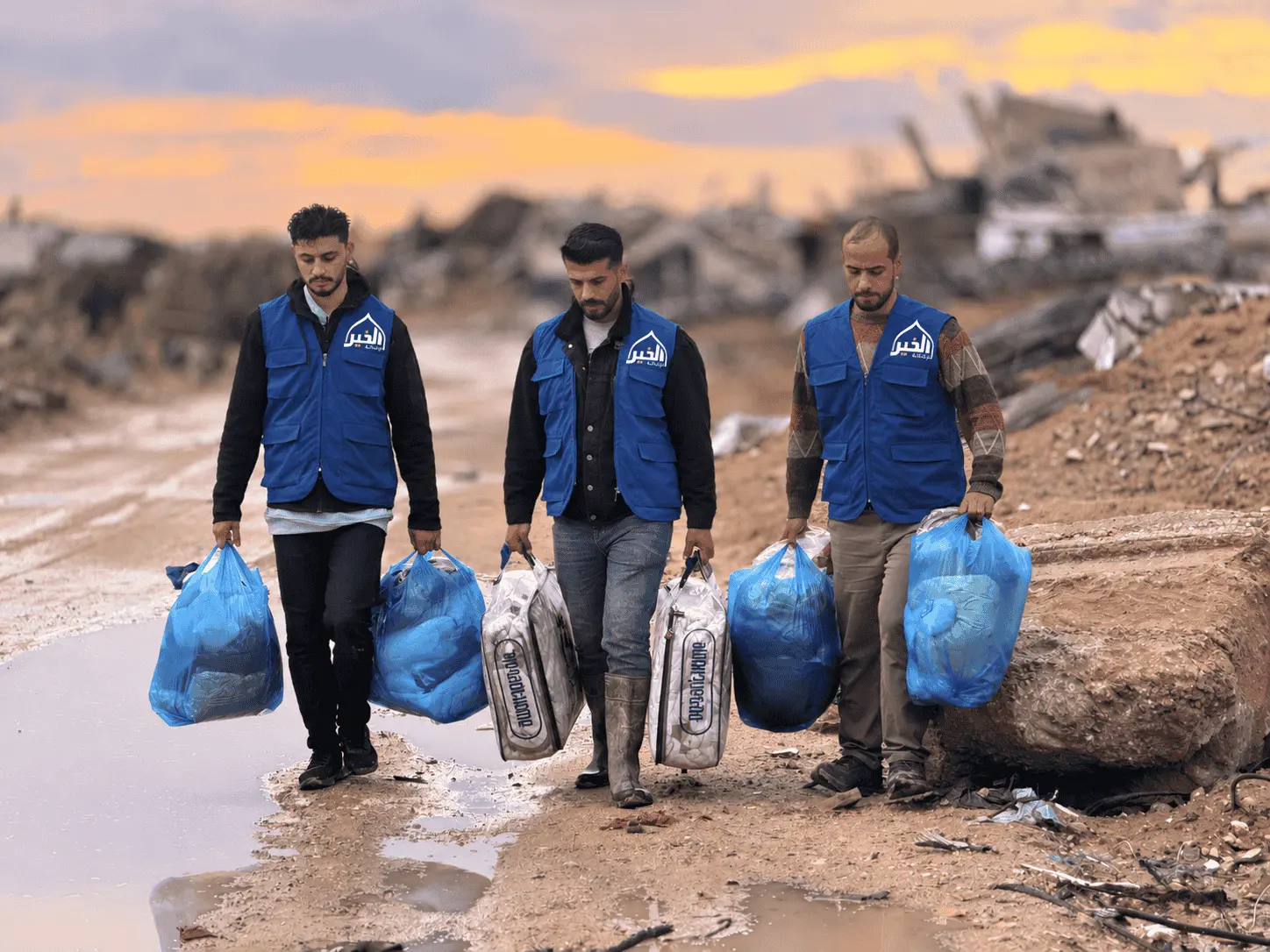
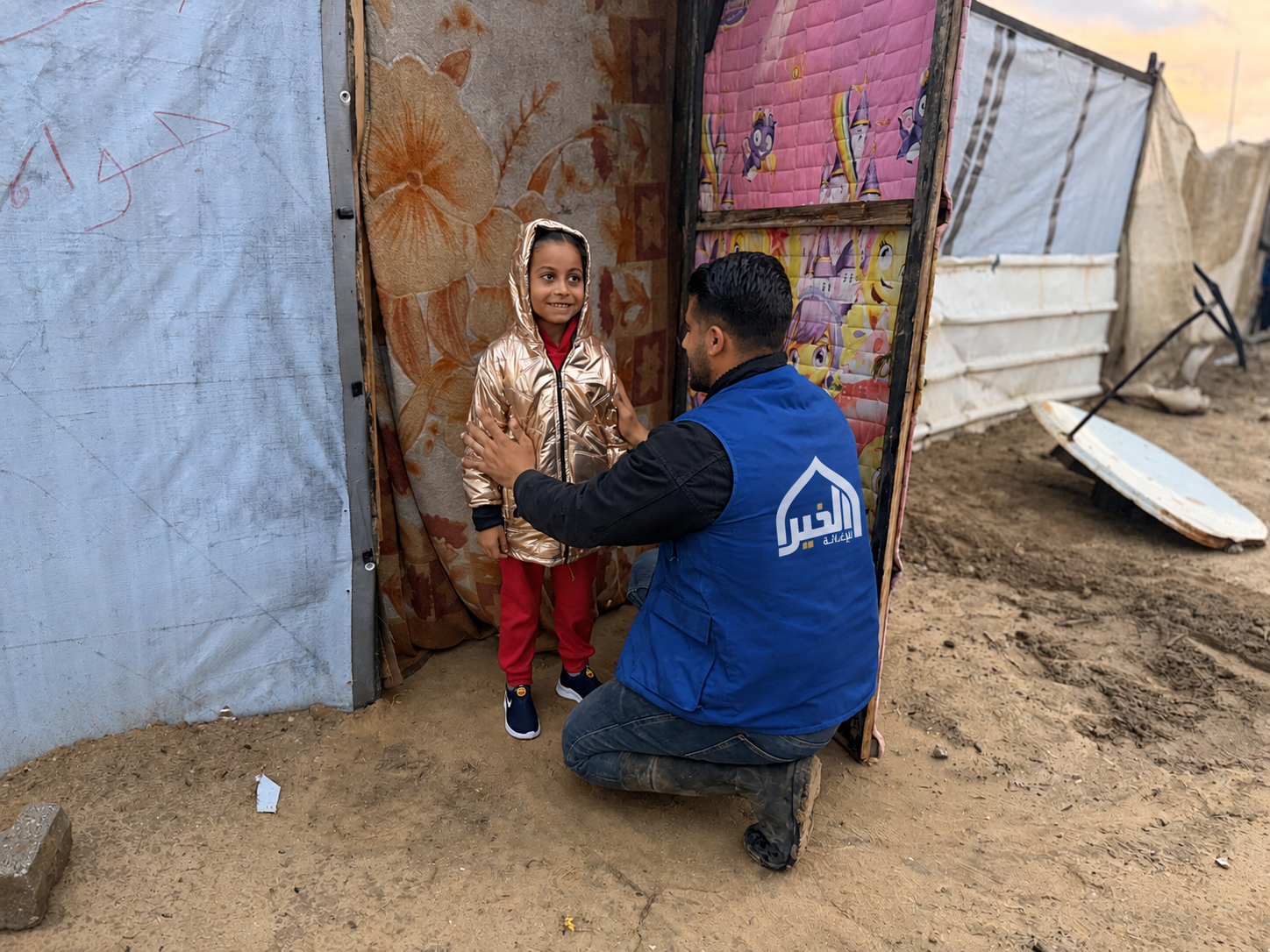
It could be a blanket delivered to a child on a freezing night, a coat that protects an older person from the cold winds, or a contribution that helps a displaced family meet its basic needs throughout the winter months.
These items may seem modest to those who have them, but they can mean everything to people living in tents that offer little protection from the cold or in temporary shelters without adequate means of protection.
What Can a Small Donation Achieve?
When considering making a donation, people sometimes wonder: Can my limited contribution really make a difference?
The answer lies in understanding that the value of assistance is not determined by its size alone, but by what it can achieve when directed effectively, combined with the contributions of others, and delivered to those who need it most.
When pooled as part of a coordinated humanitarian response, even small contributions can help provide a range of essential winter supplies, including:
-
Blankets and bedding to help families stay warm during cold weather.
-
Winter clothing and footwear for children and adults.
-
Mats and mattresses to protect families from cold and damp ground.
-
Tent repair and weatherproofing materials to help prevent rainwater from seeping into shelters.
-
Food parcels and meals to support families' daily nutritional needs.
-
Essential hygiene and basic healthcare supplies to help protect health and well-being.
In this way, a modest donation can become part of a larger collective effort, helping provide essential support to families facing winter with limited resources.
Giving Takes Many Forms
In humanitarian work, financial donations are not the only way to make a difference.
Donating good-quality winter clothing, helping raise awareness of relief campaigns, informing others about the needs of affected families, and volunteering to organize and distribute humanitarian assistance are all meaningful expressions of solidarity.
What matters most, however, is that giving is responsible and needs-based. Effective assistance responds to genuine needs, upholds the dignity of those receiving it, and is delivered in an organized manner that respects their privacy and individual circumstances.
This highlights the importance of supporting humanitarian organizations that provide transparency about how donations are used, allocate resources according to actual needs and priorities, and document the assistance and interventions they deliver.
When We Give Together, We Make a Greater Impact
Imagine a family with young children facing the winter without adequate clothing or sufficient blankets. One person alone may not be able to meet all their needs, but contributions from many people can come together to provide a significant part of the support needed to keep them safe and protected.
This is the true meaning of solidarity: ensuring that no one is left to face circumstances beyond their capacity alone, and reminding people in need that their struggles are seen and that others are willing to respond.
A contribution does not have to be substantial to be meaningful. Assistance delivered at the right time and to the right people can be far more valuable than a larger donation that arrives too late.
Let Your Giving Bring Warmth This Winter
This winter, many families are hoping for nothing more than the basic essentials they need to get through the cold months safely.
A child needs a warm coat. A mother is searching for an extra blanket. A family needs shelter that can protect them from the rain.
At Al Khair Relief, we believe that meaningful giving begins with recognizing people's needs and seeing the human beings behind them. Every responsible contribution can become part of a wider humanitarian response that protects dignity and provides essential support.
You may not be able to change the winter season, but you can help someone face it with greater safety and comfort.
Because warmth does not come from fire alone. Sometimes, it comes from a heart that chooses not to leave another person to face the cold alone.