عربي
عربي
 English


Is Worship Only for the Hereafter? Understanding the Deeper Meaning of Giving in Islam
Many people believe that acts of worship in Islam are limited to rewards in the Hereafter, such as entering Paradise or earning God’s pleasure.
In reality, Islamic worship carries tangible worldly benefits that transform lives and positively impact communities.
Giving in Islam is a lifestyle before it is charity—it reshapes our relationships with others and grants a peace of mind that cannot be bought.
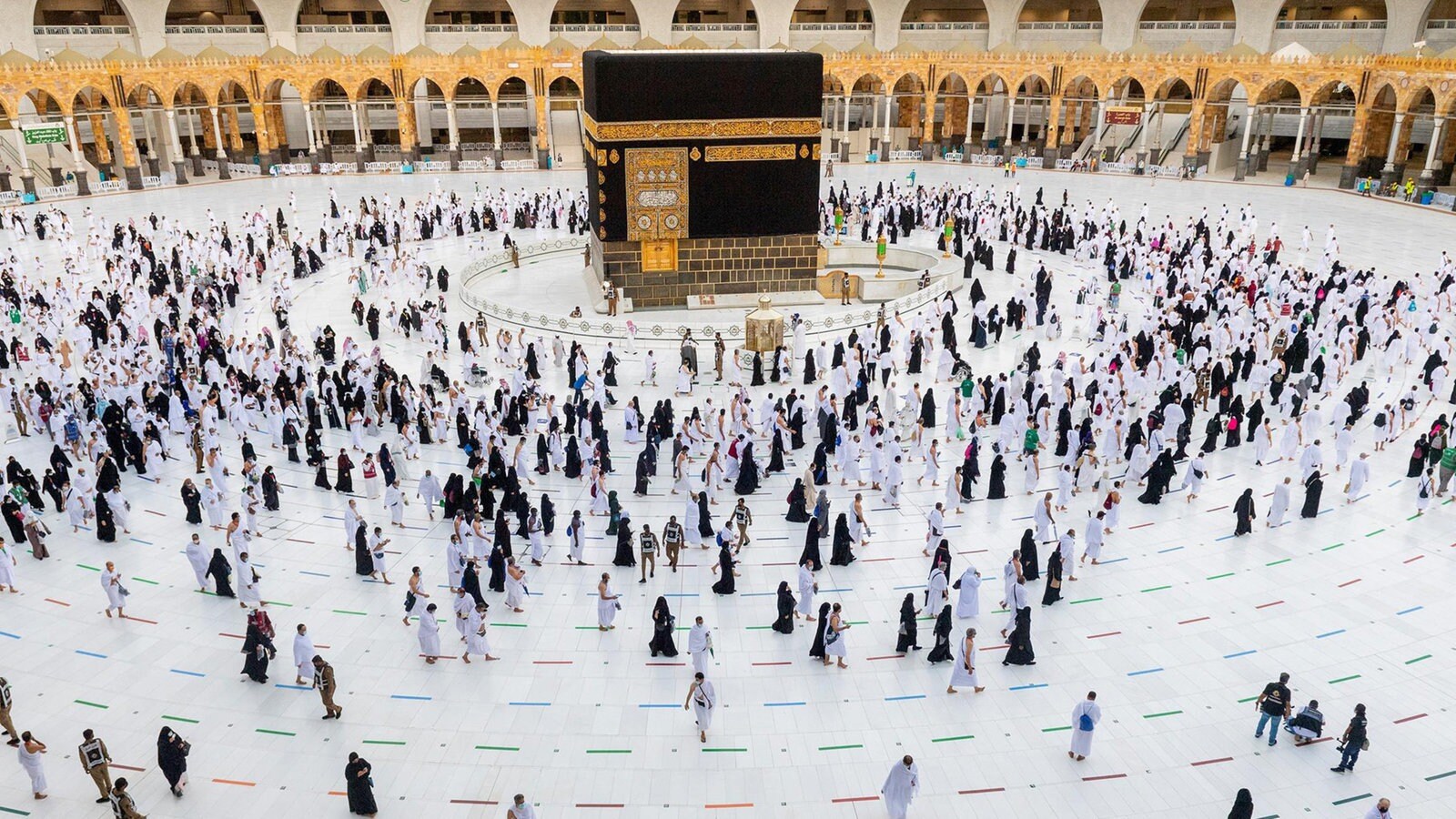
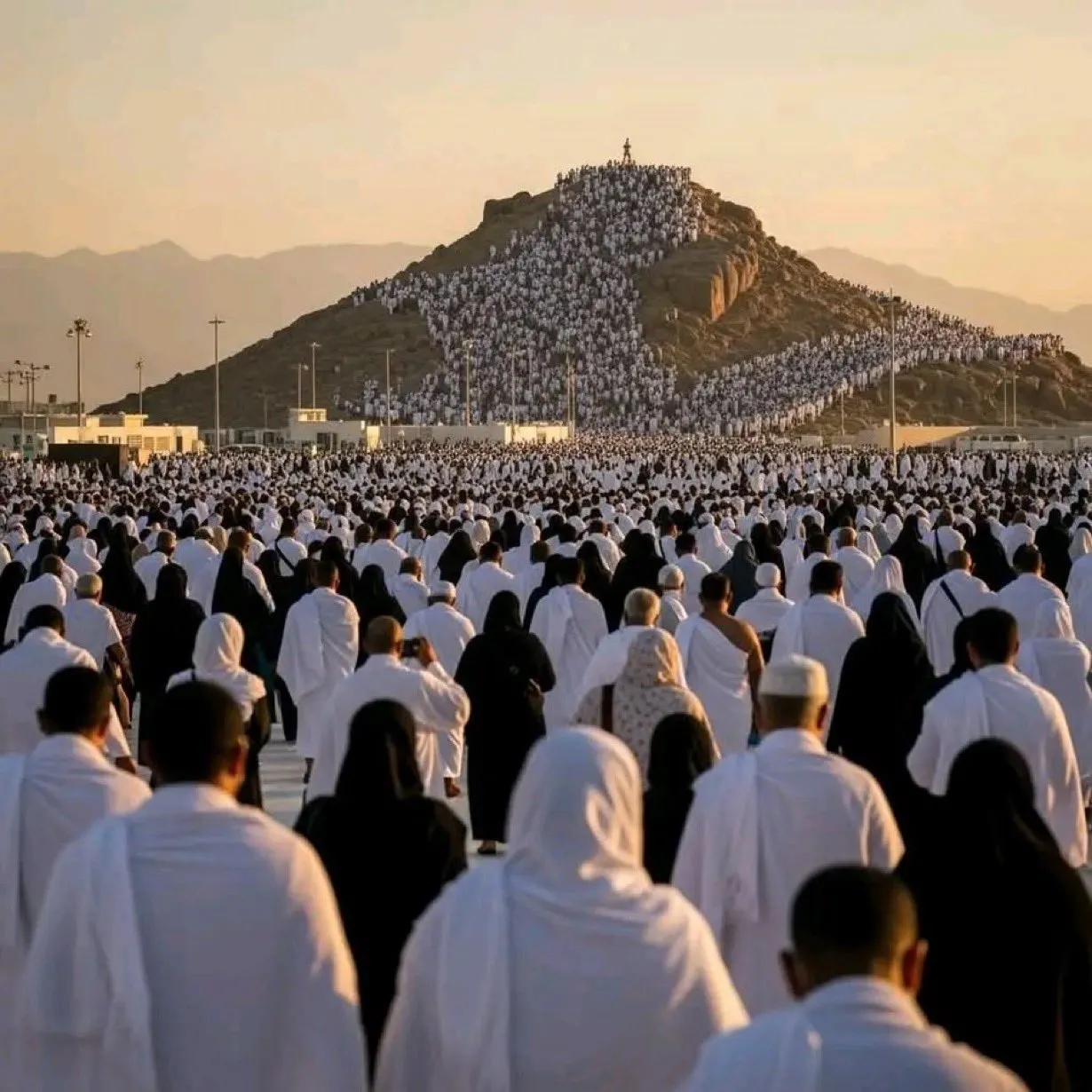
The Virtue of Hajj in Islam: A Transformative Worship
Hajj is one of the greatest acts of worship, uniting spirituality and action, intention and outcome. Its blessings extend beyond forgiveness to include increased sustenance, health, and longevity.
The Prophet ﷺ said:
"Whoever desires both this world and the Hereafter, let him perform Hajj to this House…".
And in another narration:
"Perform Hajj and Umrah: they will strengthen your body and expand your sustenance."
Hajj is a journey of inner transformation that stays with a person long after returning home.
The Blessing of Charity During Hajj: Why Rewards Multiply
During Hajj and the first ten days of Dhul-Hijjah, good deeds are multiplied and the gates of mercy are wide open.
The virtue of charity becomes especially pronounced in these blessed days.
Allah says:
"And whatever you spend of good – He will compensate it; and He is the best of providers" (Quran 34:39).
The Prophet ﷺ said:
"The pilgrim and the Umrah performer are Allah’s guests… and whatever they give, it will be multiplied a thousandfold."
Giving during Hajj season is thus an opportunity to maximize rewards while leaving a lasting humanitarian impact.
The Virtue of Sacrifice on Eid al-Adha: From Ritual to Human Dignity
The Eid al-Adha sacrifice is one of the most profound expressions of social solidarity in Islam.
It embodies obedience, compassion, and social justice.
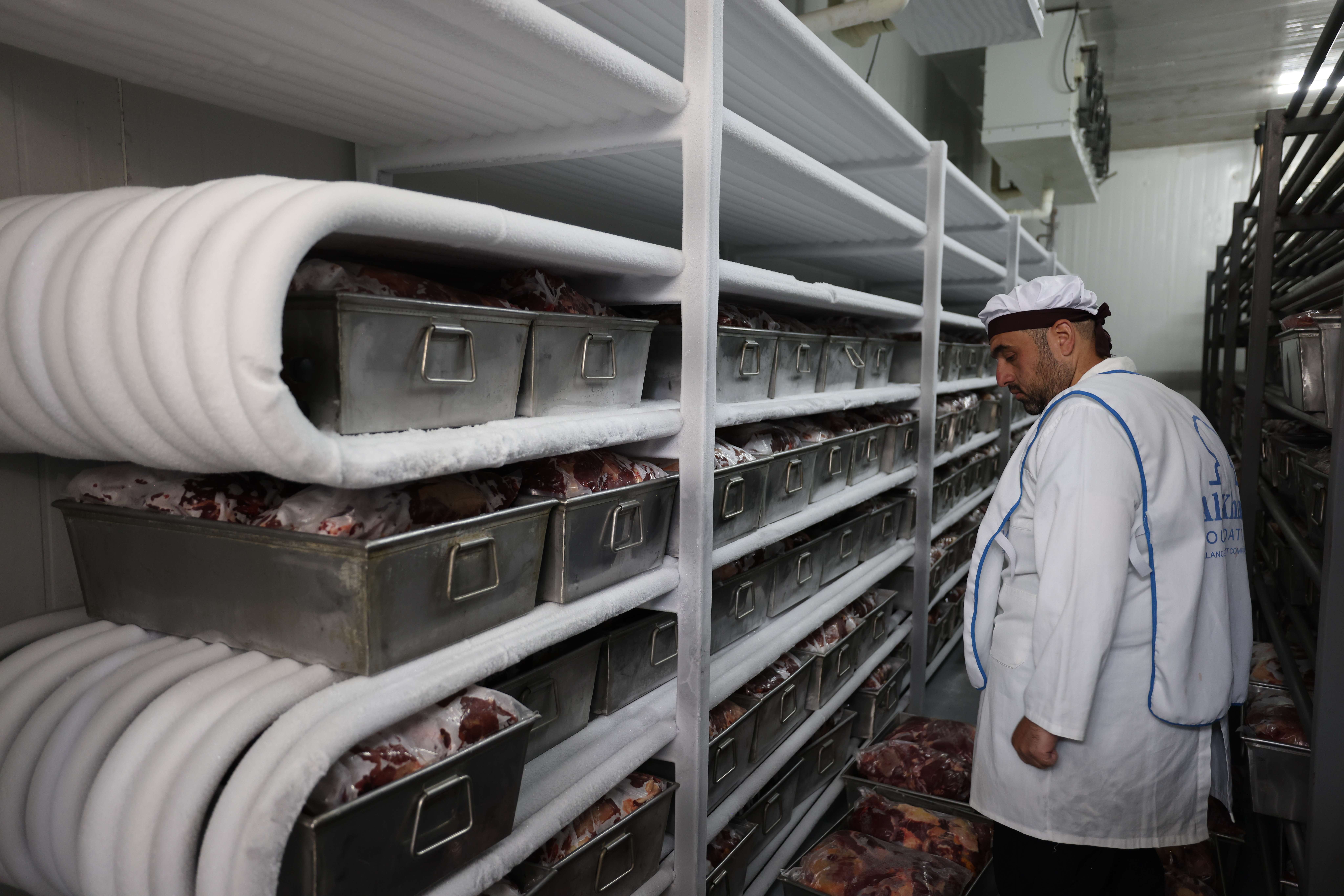
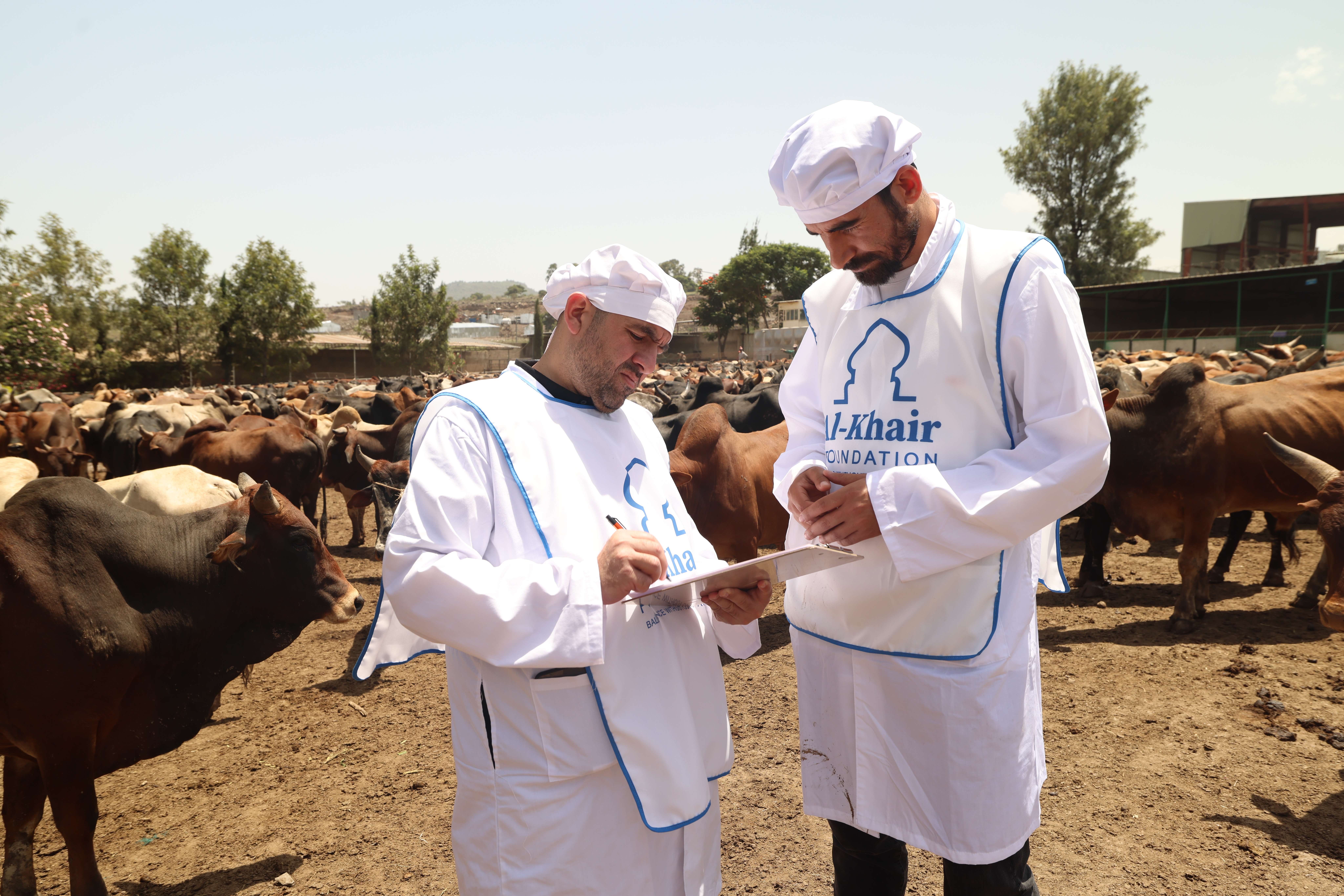
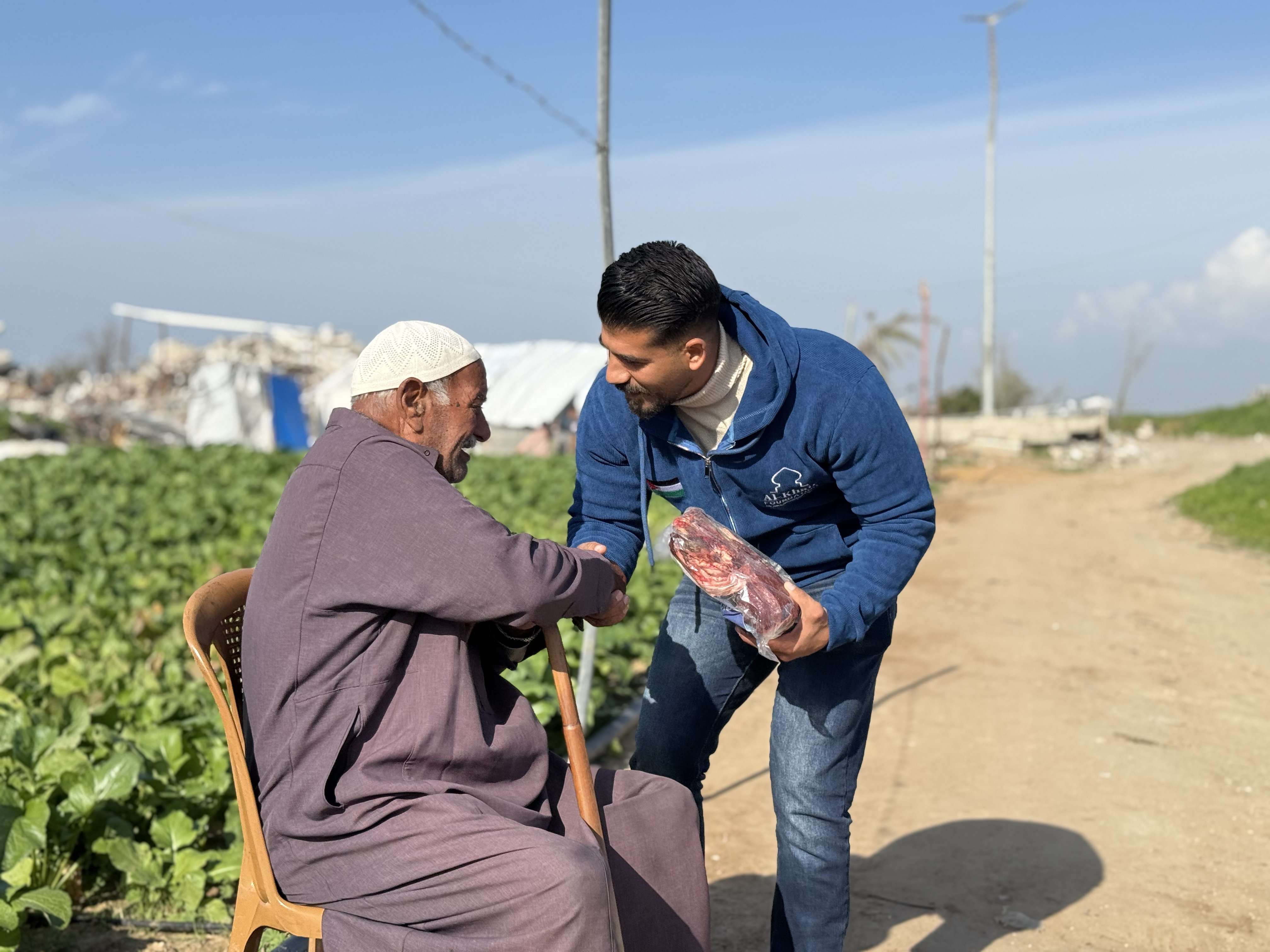
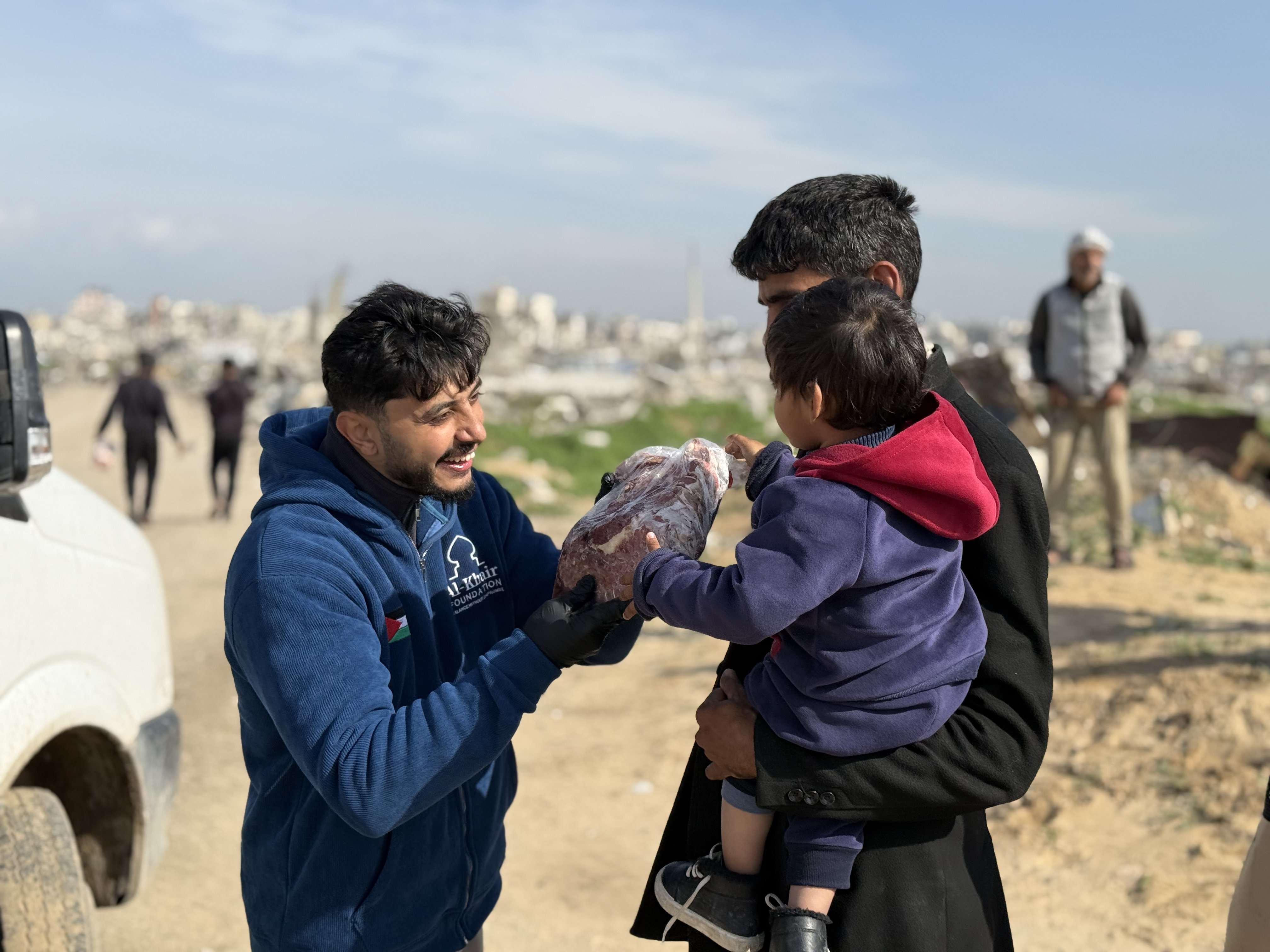
When a sacrifice reaches a needy family, it delivers not only food but dignity and joy.
Distributing the sacrifice—among family, the poor, and others—reflects Islam’s deep philosophy of mutual care and community support.
Best Deeds During the First Ten Days of Dhul-Hijjah: How to Make the Most
The first ten days of Dhul-Hijjah are among the greatest in the year. Key acts of worship include:
- Hajj for those able
- Charity and generosity
- Sacrifice (Udhiya)
- Remembrance of Allah and supplication
Every small deed during these days is an opportunity for immense reward, and every sincere intention becomes the start of meaningful change.
The Blessing of Giving: How Hajj and Charity Transform Your Life
Religious texts emphasize that consistent Hajj and charity bring continuous blessings.
"Hajj and Umrah remove poverty and sins…"
"Whoever performs Hajj three times will never suffer poverty."
Divine laws connect giving with blessings, and faith with sustenance.
Generosity in Hajj Season: When Faith Becomes Action
Ultimately, Hajj season is not merely a set of rituals—it is an opportunity to redefine ourselves, to be closer to people, more aware of others’ struggles, and ready to bring them joy.
During these blessed days, generosity is measured by what we give and how we awaken hope in the hearts of others.