عربي
عربي
 English


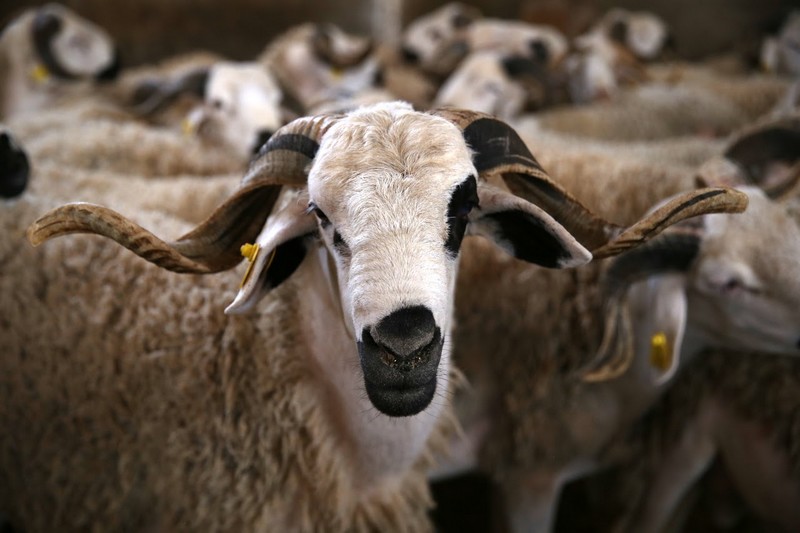
Udhiya: Worship That Transcends the Moment
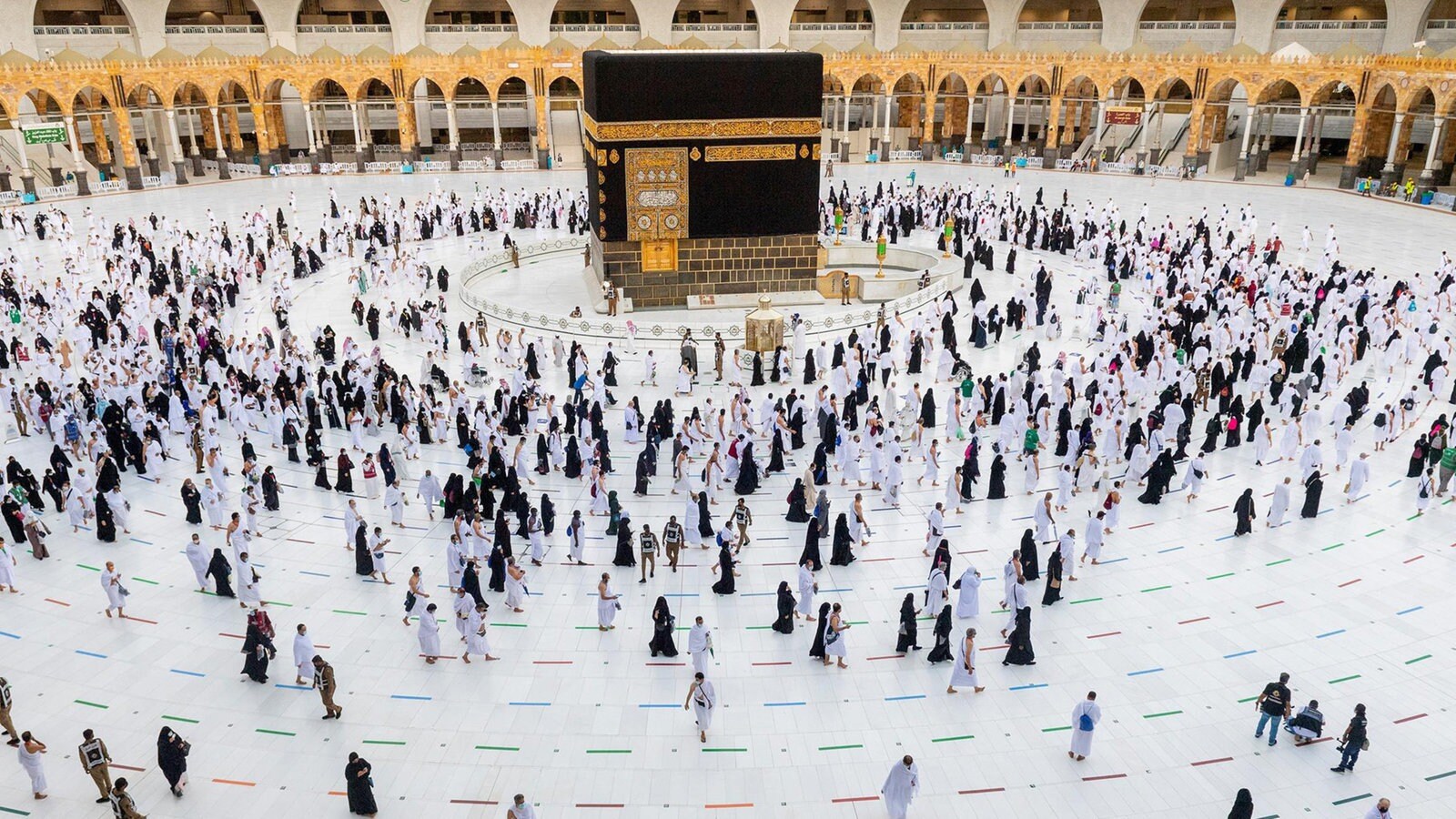
Udhiya is a ritual that connects the heart to Allah, reminding us of the story of Prophet Ibrahim (Abraham) and his son Ismail (Ishmael) peace be upon them.
Every drop of blood and every moment of preparation embodies faith, patience, and continuous giving.
The Prophet ﷺ said:
"Offer sacrifices and purify yourselves, for there is no Muslim who faces the Qiblah with his Udhiya whose blood, dung, and wool are not counted as good deeds in his record on the Day of Judgment."
Udhiya becomes a message of mercy and virtue, extending from the heart to the wider community.
Ibrahim and Ismail: Exemplars of Obedience and Dignity
The Qur’an and Hadith recount Allah’s test of Prophet Ibrahim when he was commanded to sacrifice his son Ismail, and how both father and son responded with complete faith and submission.
This event reflects the essence of Udhiya: obedience, patience, and intention dedicated to Allah.
It is not merely a physical act but a lesson in sacrifice, reliance on Allah, and ensuring that giving is guided by pure intentions.
Udhiya: A Continuous Journey of Giving
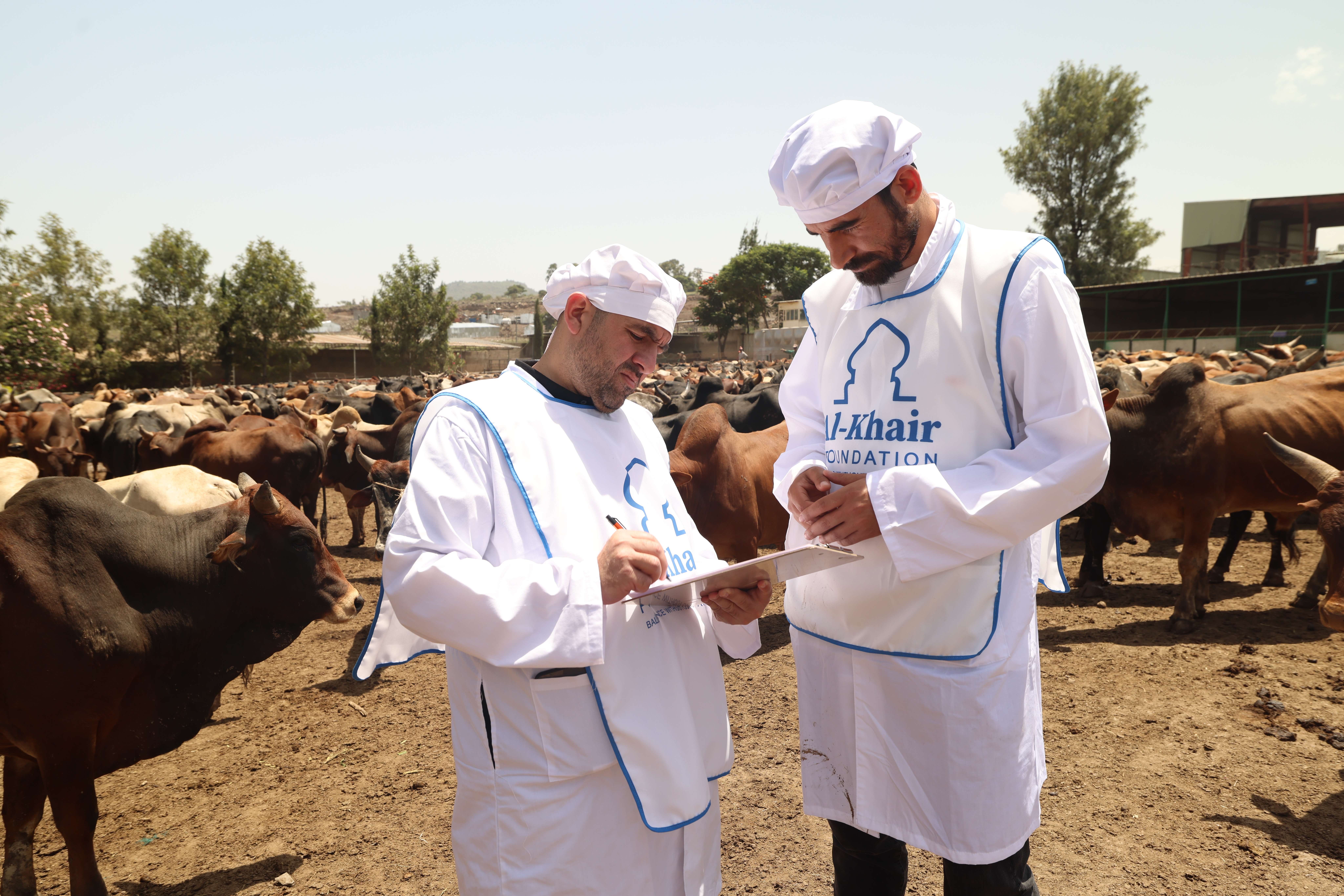
Each Udhiya offers an opportunity to spread goodness:
- Providing food for families in need
- Strengthening social solidarity
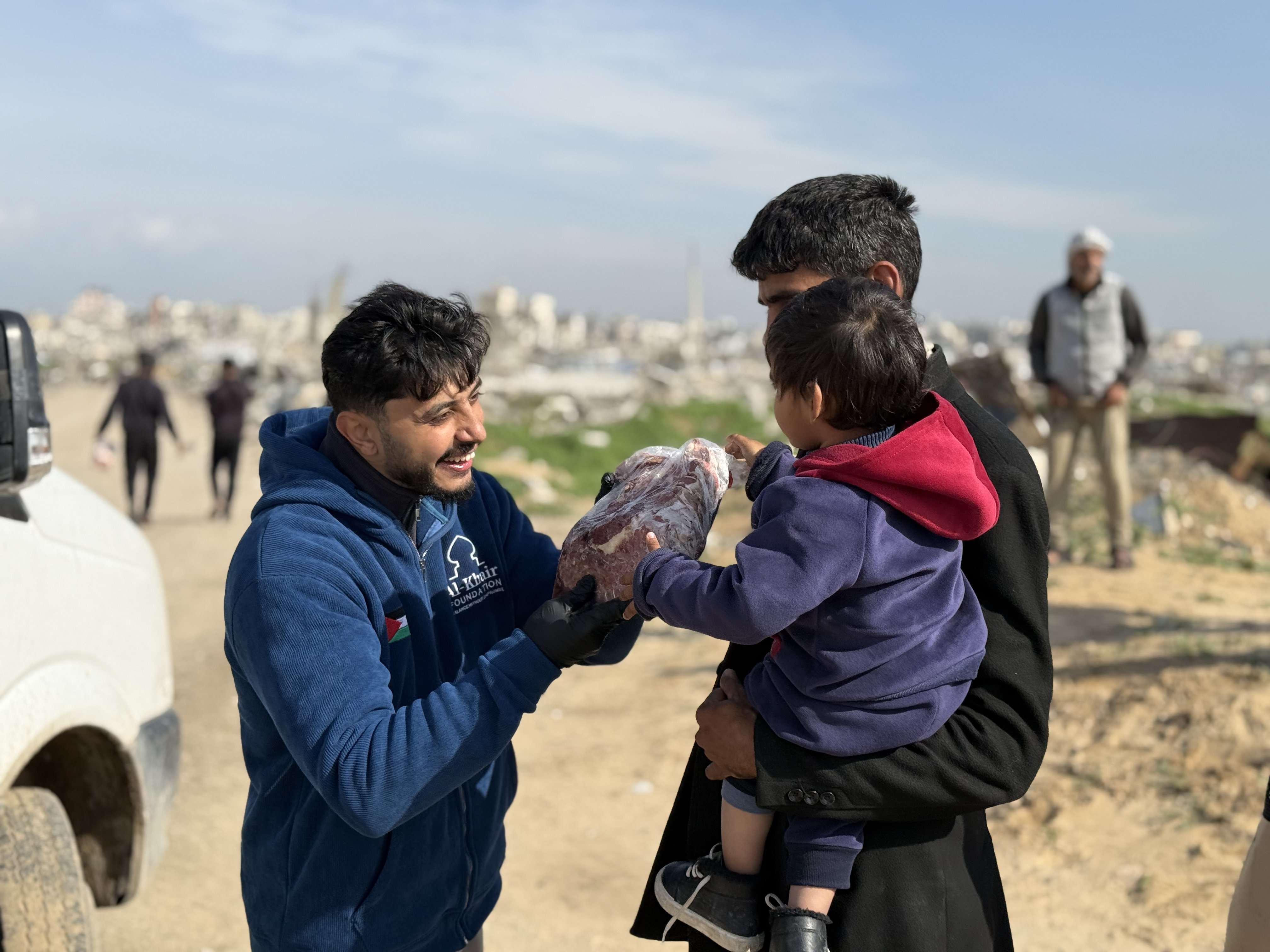
- Bringing joy and dignity to children and women
Udhiya transcends the moment, becoming a bridge between worship and humanitarian action, between ritual and practical deeds that alleviate the suffering of those in need.
Human Lessons Behind the Ritual
Udhiya teaches us:
- Patience and surrender to Allah’s decree
- The value of giving without expectation
- How religious rituals strengthen social bonds
Allah says:
"And whatever you spend of good – He will compensate it" (Quran 34:39), making every sacrifice a seed of goodness that grows both on the ground and in hearts.
Lasting Impact
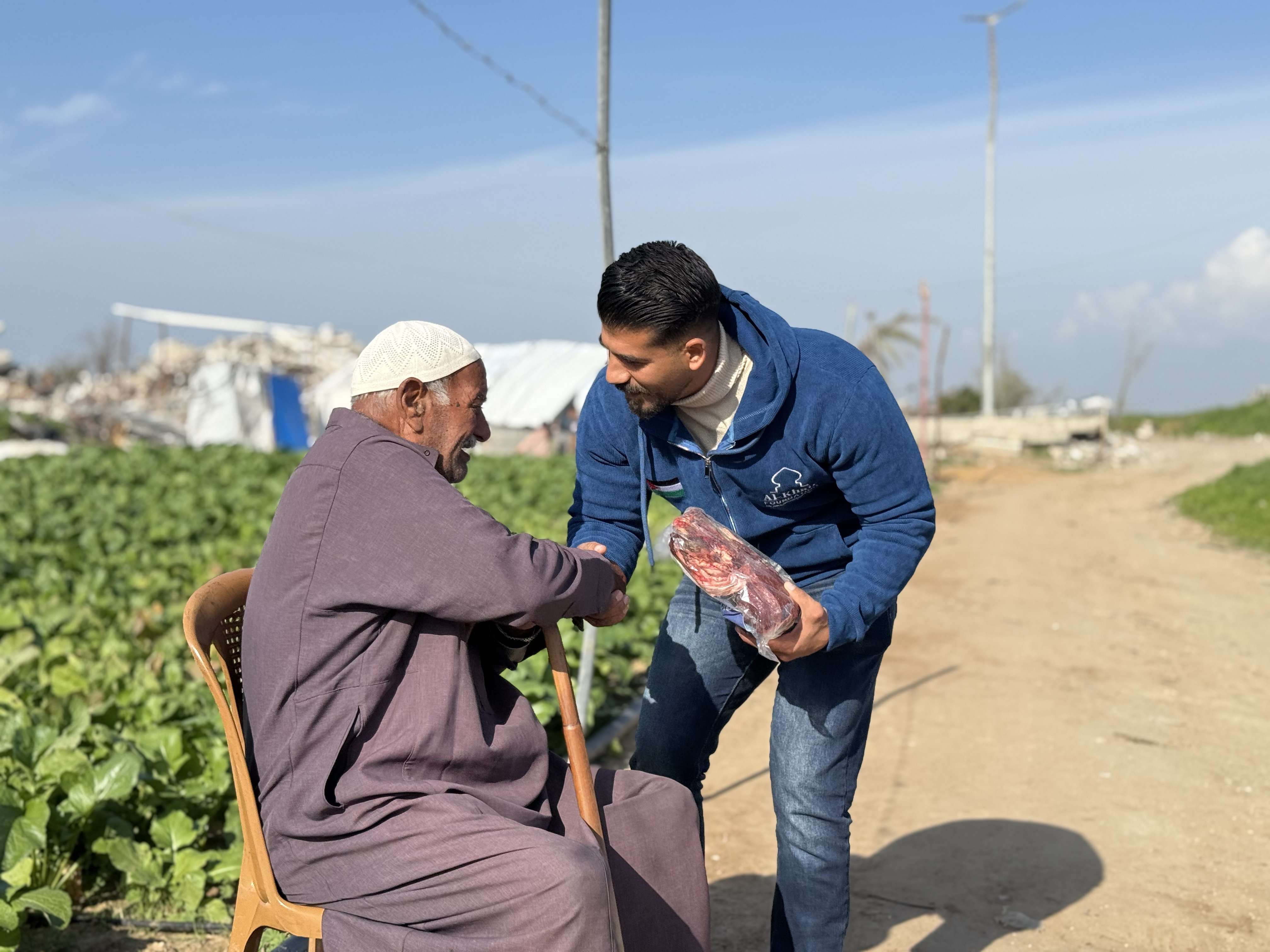
When Udhiya is distributed to the poor and needy, or the meat reaches disadvantaged families, the humanitarian act becomes an extension of spiritual worship.
Every Udhiya tells a story of patience, sacrifice, and mercy, reminding us that true goodness encompasses the entire community, not just the individual.
Conclusion: More Than a Ritual
Udhiya is worship, a message, and an opportunity to reignite hope.
It is not merely the moment of slaughter—it is a bridge from faith to humanitarian action, from the heart to the hearts of others.
Every Udhiya tells a story of joy, patience, and endless generosity.